
Blog
Parts of a Bespoke Suit: 15 Details That Reveal True Quality

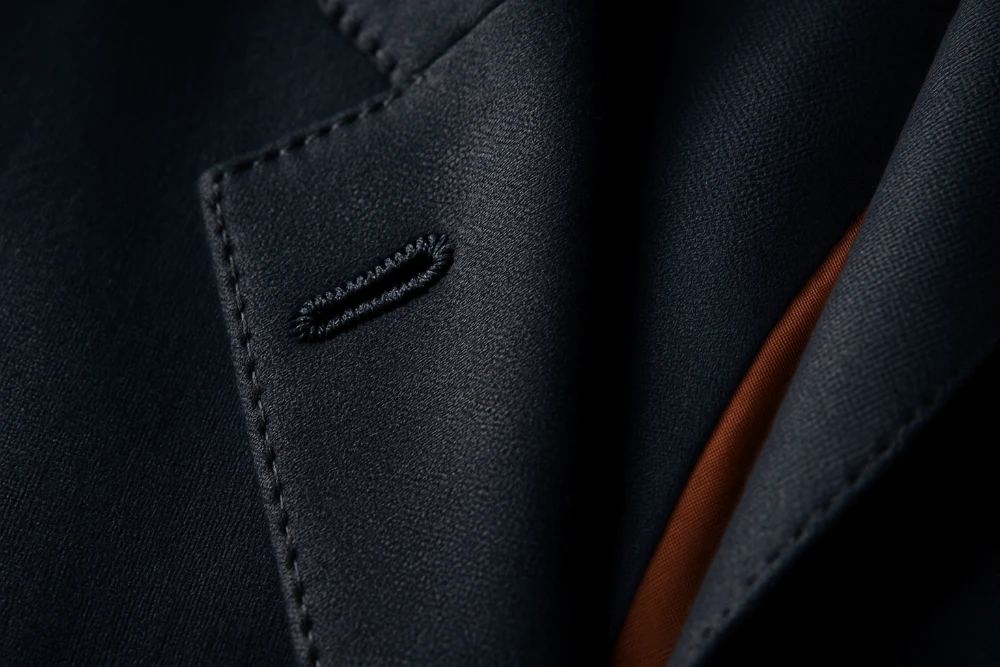
The parts of a bespoke suit that separate real craftsmanship from imitation are not the ones you notice first. Anyone can compare colors and fabrics. The parts of a bespoke suit that actually define quality are inside the jacket, along the seams, and in the fine hand-stitching that no machine can replicate.
Once you know what to look for, you can evaluate any suit in under two minutes. At Bespoke Suits Bangkok, every garment produced since Mr. Ram founded the shop in 1965 includes each of these 15 details as standard. This guide walks through every one, in the order a bespoke tailor considers them when building your garment.
The 15 Parts of a Bespoke Suit That Define Quality
Below are the 15 core parts of a bespoke suit, ranked from most important to most subtle. Master these and you will never be fooled by a shop selling made-to-measure as bespoke.
1. Full Canvas Construction
A layer of horsehair canvas hand-stitched between the outer fabric and the lining. It gives the jacket its shape, drape, and ability to mold to your chest over time. Fused (glued) construction is the cheap alternative, and it bubbles or delaminates within a few years, particularly in Bangkok’s humid climate. Canvas is the single most important of the parts of a bespoke suit.
2. Hand-Sewn Sleeves
Sleeves attached to the jacket armhole by hand rather than machine. This allows a slight fabric ease that lets the sleeve move naturally with your arm. Machine-set sleeves are stiffer and can pull at the shoulder when you raise your arm.
3. Hand-Sewn Collar
The undercollar attached to the jacket by hand-stitching, which allows the collar to roll properly against the back of the neck without gaping or bunching. A poorly-attached collar is one of the most visible signs of cheap construction.
4. Hand-Made Buttonholes
Each buttonhole cut and stitched by hand, taking 30 to 45 minutes per hole. The best examples (Milanese buttonholes) have a subtle raised edge and a slight organic irregularity that machines cannot replicate. According to the Wikipedia entry on Savile Row tailoring, hand-made buttonholes are required by Savile Row Bespoke Association members.
5. Working (Surgeon’s) Cuff Buttons
Cuff buttons that actually open and close through functional buttonholes. Originally allowing surgeons to roll up sleeves without removing the jacket, now a mark of bespoke construction. Off-the-rack suits typically have decorative buttons stitched onto a closed cuff.
6. Pick Stitching Along the Lapel
Small hand-stitches along the outer edge of the lapel, visible on close inspection. Not decorative: this stitching secures the lapel’s canvas interlining to the outer fabric, keeping the lapel flat and preventing rolling.
7. Lapel Roll
The natural curve of the lapel as it rolls away from the chest. On a well-constructed bespoke jacket, the lapel rolls smoothly through the second button position and lays flat when open. A fused or poorly-constructed jacket has a stiff, sharp fold instead.
8. Sleeve Pitch
The angle at which the sleeve is attached to the shoulder. Everyone’s arms hang slightly differently: some forward, some back. Bespoke sleeves are set at your specific pitch. Off-the-rack sleeves are set at an average angle and often twist when your arm is at rest.
9. Shoulder Construction
Bespoke shoulders can be structured (with light or heavy padding, canvas, and shoulder pads) or soft (minimal padding, “shirt-shoulder” or “Neapolitan” styles). The construction is chosen to complement your natural shoulder slope and posture, not standardized.
10. Chest Canvas
A full layer of horsehair canvas across the chest and lapel area. This is the piece that molds to your body over time and gives a bespoke jacket its distinctive drape. Fully canvassed jackets improve with wear; fused jackets deteriorate.
11. Hand-Picked Linings
Linings chosen and coordinated to your outer fabric. Bemberg (a viscose-cupro blend) is the traditional choice for its breathability in tropical climates. Contrast linings in bold colors or patterns are a bespoke signature detail.
12. Coordinated Buttons
Buttons hand-picked to match your fabric: mother of pearl for lighter cloths, horn for classic wools, corozo (vegetable ivory) for a natural look. Plastic buttons are a red flag on any suit claiming to be bespoke.
13. Embroidered Initials Inside the Jacket
Your initials (or full name) embroidered inside the inner lining, near the breast pocket. A traditional bespoke signature that identifies the garment as yours and makes reordering easier decades later.
14. Trouser Waistband
Bespoke trouser waistbands feature side adjusters (metal or fabric tabs that allow small tension changes) instead of belt loops, or both. The waistband is also curtained (a strip of grosgrain inside the top) to hold the shirt in place through the day.
15. Trouser Break
The break is the fold at the bottom of the trouser where it meets the shoe. Bespoke allows you to specify exactly: full break, half break, quarter break, or no break. This single detail affects the entire silhouette.
How to Inspect the Parts of a Bespoke Suit
When you next examine a suit (yours, a friend’s, one in a shop), check these five parts of a bespoke suit first:
- Flip the lapel and look for pick stitching along the underside edge
- Try to open a cuff button. If it does not open, the cuff is decorative
- Feel the buttonholes: hand-made buttonholes have slight irregularity and a raised edge
- Look for a tag inside the inner lining with the maker’s name or your initials
- Check the shoulder for natural drape without ripples or stiffness
Five details, two minutes. This is enough to tell true bespoke from imitation every time.
Which Parts of a Bespoke Suit Come Standard at Bespoke Suits Bangkok
Regardless of fabric tier or price point, every bespoke garment we produce at our Sukhumvit 28 atelier includes these parts as standard:
- Full canvas construction with horsehair interlining
- Hand-sewn sleeves and collar
- Hand-made buttonholes on lapel, sleeve cuffs, and jacket front
- Embroidered initials inside the jacket lining
- Hand-picked lining and buttons coordinated to your fabric
- Working cuff buttons available on request
- Pick stitching along the lapel edge
- Custom trouser waistband with side adjusters
- Your choice of trouser break
These are the details you can trust are built into every suit that leaves our shop, from our starting price of $250 upward.
Why These Parts of a Bespoke Suit Matter
A suit is not just a garment. It is architecture worn on the body. Each of the 15 parts of a bespoke suit above serves a function: canvas construction provides the chest shape, hand-sewn sleeves allow natural arm movement, working buttonholes let you fold back the sleeves, side adjusters preserve the trouser waist as your weight fluctuates through the day.
Off-the-rack suits omit most of these details because they add labor cost. That labor cost is exactly what you pay for when you buy bespoke. It is what makes a properly-made suit last a decade rather than two years.
See the Parts of a Bespoke Suit in Person
Visit our Sukhumvit 28 atelier to examine finished garments. Our master tailor can point out each of the 15 parts of a bespoke suit on a jacket in progress at any of the three fitting stages.
For the full distinction between bespoke and lesser tailoring, read our guide on bespoke vs made to measure vs off the rack. For a closer look at buttonholes specifically, see our post on the hand made buttonhole suit. And to protect yourself from shops that market lesser work as bespoke, read our warning on common Bangkok tailor scams.
Book a Fitting
Contact us via the Bespoke Suits Bangkok contact page or WhatsApp +66 89 453 4780. Ask to see garments in progress if you want to inspect the parts of a bespoke suit before ordering.