
Blog
How Many Suits Should a Man Own?

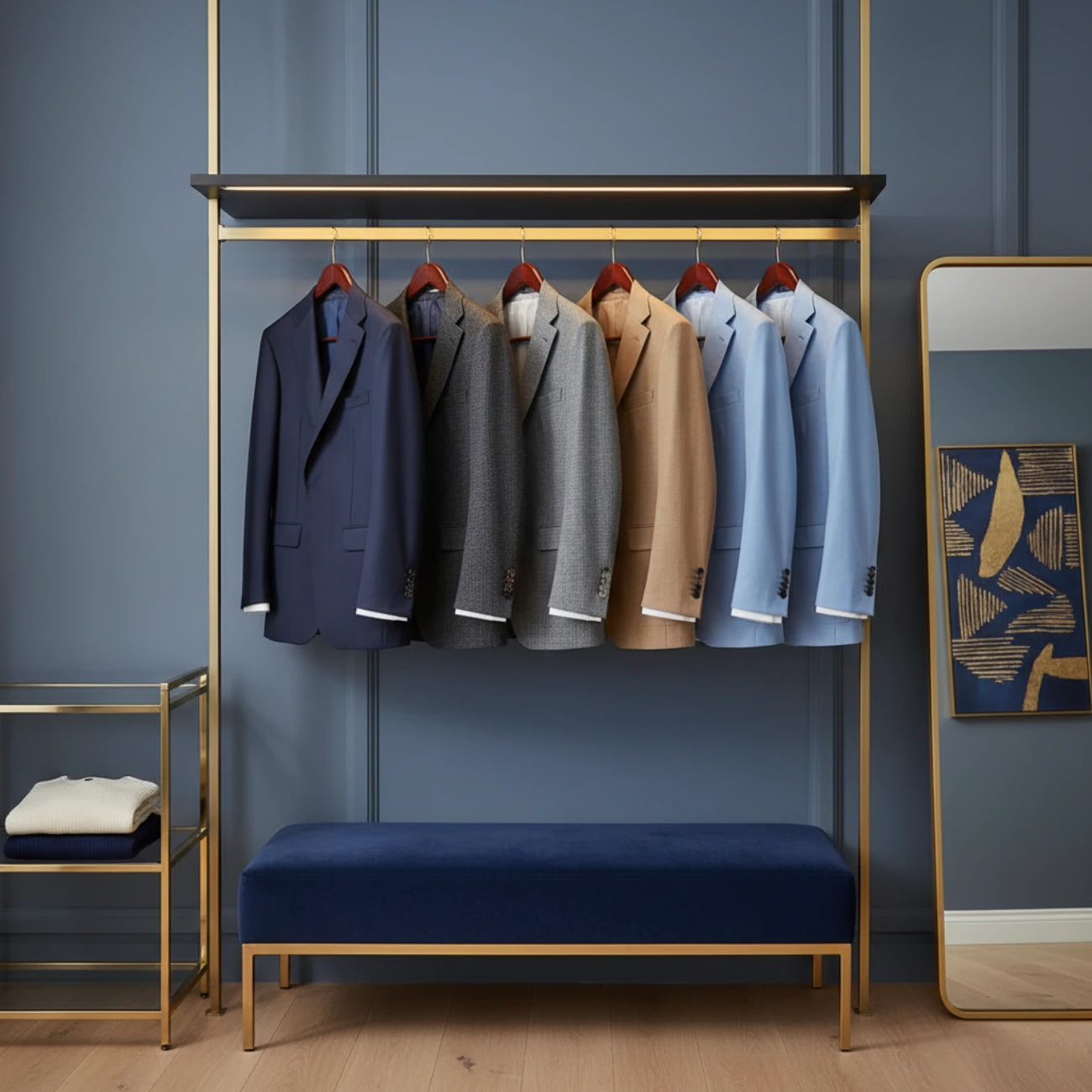
How many suits should a man own is one of those questions with no single answer, because it depends entirely on how often you wear one. A lawyer in court every day and a man who suits up twice a year need very different wardrobes. This guide gives you a practical framework, from the essential first suit to a full five-suit rotation, plus the order to buy them in so every purchase earns its place.
Table of Contents
It depends on how often you wear one
Start with frequency, not fashion. If you wear a suit daily, you need enough to rotate so no single suit is worn two days running, which protects the cloth and keeps each looking fresh. If you suit up occasionally, you need far fewer, but they should be versatile enough to cover any event. Match the number to your real life and you will neither overspend nor get caught short.
How many suits should a man own, by the numbers
Here is the wardrobe built up in stages. Find the tier that matches how often you actually wear a suit.
The 1-suit man
If you wear a suit only for the occasional wedding, funeral or interview, one excellent suit is enough. Make it navy: it is the most versatile colour, works for almost every occasion, and photographs beautifully. A single well-fitting navy suit will carry you through years of events.
The 2 to 3 suit rotation
For anyone who suits up weekly or has a semi-formal job, two to three suits is the sweet spot. Navy first, then charcoal grey, then a mid-grey or a second navy in a different cloth. This gives you rotation (so nothing is overworked) and enough variety that colleagues do not see the same suit twice a week.
The 5-suit professional wardrobe
If you wear a suit most days, aim for around five. A working set might be two navy, two grey in different shades, and one with a subtle pattern or a lighter tone for warmer days. Five lets each suit rest properly between wears, which is the biggest single factor in how long tailoring lasts.
The frequent wearer and beyond
Past five, you are adding for occasion and season rather than necessity: a tuxedo or double breasted for events, a linen or tropical-weight suit for the heat, a bolder pattern for confidence. At this stage it is about completeness, not coverage.
Which colours and cuts to buy in what order
Buy in order of versatility so each suit is useful the day it arrives. The reliable sequence is navy, then charcoal, then mid-grey, then a second navy or a patterned option, then something seasonal or bolder. This is essentially a capsule wardrobe approach, where a small number of coordinated pieces cover the maximum number of situations; the concept is explained well in this overview of the capsule wardrobe on Wikipedia. For the full colour logic, see our guide to the best suit colors for men.
Why rotation makes suits last
Owning more suits is not only about variety; it is about longevity. Wool needs a day or more to recover its shape and release moisture after each wear, so a rotation of three to five suits will each outlast a single suit worn constantly, often by years. Pair rotation with good habits, and you protect the investment; our guide on how to care for a suit covers exactly how.
Choosing your first suit, then growing the collection
The question of how many suits a man should own is easier to answer once the foundation is right, because every later suit builds on that first one.
Start with navy
Your first suit should be a mid-weight navy in a plain weave. It handles work, weddings, interviews and funerals, flatters almost everyone, and pairs with any shirt and shoe colour. Nothing else earns its place as quickly.
Add contrast, not repetition
The second suit should do something the first cannot, which usually means charcoal for formality, then a mid-grey for daytime versatility. Buying a near-identical second navy too early wastes a slot you could use for range.
Then buy for your life
From the fourth suit on, let your actual calendar decide. Frequent weddings point to a lighter or patterned option, a hot commute points to a tropical-weight or linen suit, and formal evenings point to a tuxedo. Buy what your year genuinely asks for.
Keep the pattern on file
Once a tailor has your pattern, later suits get faster and easier to order, even from abroad. That is the quiet advantage of building a collection with one bespoke tailor rather than buying piecemeal.
Building yours with a Bangkok tailor
Bangkok is an efficient place to build a wardrobe, because bespoke here costs a fraction of what it does in Europe or the US. At Bespoke Suits Bangkok a fully canvassed, hand-cut suit starts from $250, made to your measurements over three fittings in 2 to 3 days, so you can commission two or three on a single trip and keep the pattern on file for the rest.
Start with the bespoke suits service or browse the shop, and to plan your budget across several suits, see the Bangkok bespoke suit cost breakdown and our explainer on bespoke vs made to measure.
How many suits for different professions
The right number depends heavily on your line of work.
Daily suit wearers
Lawyers, bankers and executives who suit up every day want around five, so each can rest between wears and the wardrobe never looks repetitive across a working week.
Occasional wearers
If you wear a suit for meetings, interviews or events a few times a month, two to three covers you comfortably, with navy and charcoal doing most of the work.
Rare wearers
If a suit comes out only for weddings, funerals and the occasional formal night, one excellent navy suit is genuinely enough, perhaps two if you attend a lot of events.
Suits vs separates: stretching the wardrobe
You can multiply the looks a small collection produces by treating jackets and trousers as separates. A navy suit jacket over grey trousers becomes a blazer outfit; odd trousers with a knit create smart casual looks. Buying with this in mind means two or three suits can cover far more ground than their number suggests, which is especially useful early on.
Building the wardrobe on a budget
You do not need to buy everything at once. Start with one excellent navy suit rather than several cheap ones, since a single well-fitting suit outperforms a closet of ill-fitting bargains. Add the next in order of versatility when the budget allows. Because bespoke in Bangkok is affordable, you can build a quality rotation over a couple of trips, and the pattern on file makes each addition quicker and easier than the last.
Beyond the suits: shirts, shoes and accessories
A suit wardrobe is only complete with the pieces around it, and these stretch a small collection further.
Shirts
Aim for two to three shirts per suit, starting with white and light blue, which work with every suit colour. Add subtle stripes and checks once the basics are covered.
Shoes
Two pairs cover most needs: black for formal and business, brown for daytime and smart casual. Both work with navy, one more reason navy leads the wardrobe.
Ties and accessories
A few versatile ties in navy, burgundy and a subtle pattern, plus a couple of pocket squares, dress the same suits up for different occasions without buying more suits.
The multiplier effect
Rotating shirts, shoes and accessories across a few suits produces dozens of distinct outfits, which is why how many suits you own matters less than how well you build around them.
When to replace a suit
A well-made suit that is rotated and cared for lasts many years, but nothing lasts forever. Shiny elbows and seat, a lining that keeps failing, or a fit that no longer flatters after a change in body shape are the signs it is time to replace or rebuild. Retiring a tired suit and commissioning a fresh one keeps the whole rotation looking sharp.
Frequently asked questions
What is the ideal number of suits to own?
For most professionals who wear a suit regularly, three to five is ideal. It allows proper rotation and enough variety, without owning suits that rarely get worn.
What colour should my first suit be?
Navy. It is the most versatile colour, suitable for work, weddings and interviews alike, and it flatters almost everyone.
Does owning more suits really make them last longer?
Yes. Rotating suits gives the wool time to recover between wears, which meaningfully extends the life of each garment compared with wearing one suit constantly.
How many suits does a man need for work?
For daily suit-wearing jobs, around five lets each suit rest between wears. For weekly wear, two to three is enough. The number should match how often you actually suit up.
Is it worth owning more than five suits?
Only if you wear them. Beyond five, extra suits are for specific occasions or seasons, a tuxedo, a linen suit, a bolder pattern, rather than everyday rotation.
How many shirts should I own per suit?
A rough guide is two to three shirts per suit, so you always have a clean, pressed option and can vary the look without wearing the same combination twice in a week.
Is one good suit enough?
For occasional wear, yes. A single well-fitting navy suit handles weddings, interviews and formal events. Add more only when you wear a suit often enough to justify a rotation.
Should I buy several cheap suits or one good one?
One good one. A well-made, well-fitting suit looks better, lasts longer and works harder than several cheap suits that fit poorly and wear out quickly.
How many suits does a groom need?
Usually one excellent wedding suit, plus his existing rotation for related events. If he rarely wears suits otherwise, a versatile navy wedding suit can double as his one good suit afterwards.